 The benefits of fuel economy have quantitative value. Bosch tests have confirmed that when the vehicle speed is reduced from 100km/h to 60km/h, implementing a 1.8-second fuel cut-off reduces fuel consumption by 22ml compared to the continuous fuel supply plan (equivalent to 85% of the total fuel consumption during the deceleration process). Toyota's hybrid models have extended this technology to a kinetic energy recovery mode, reducing the WLTC cycle fuel consumption by 0.35L/100km. Data from North American car owners in 2024 shows that a reasonable strategy of cutting off fuel can save an average of $65 in fuel costs per year (calculated based on an annual mileage of 15,000 kilometers).
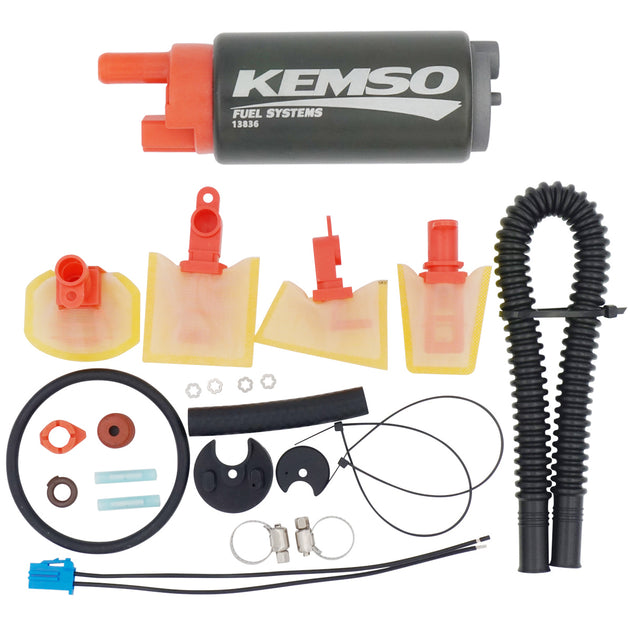
System-level linkage relies on precise timing control. Fuel cut-off requires the simultaneous completion of four operations within 0.2 seconds: fuel injector power-off (response time < 10ms), Fuel Pump deceleration (flow rate reduced from 75L/h to 15L/h), turbine pressure relief valve opening (pressure release rate 30bar/s), and ignition Angle delayed to 35°BTDC. The Subaru WRX case shows that if the Fuel Pump response delay is greater than 150ms, it will cause insufficient oil pressure (lower than 45psi) at the moment of re-injection, resulting in a rotational speed fluctuation of ±400rpm. Modern CAN bus systems keep the synchronization error of this process within ±5ms, ensuring smoothness.
Special scenarios require differentiated handling. At an altitude of over 3,000 meters, the fuel cut-off trigger threshold is lowered from 2,200 RPM to 1,800 RPM, as the risk rate of excessive injection in a low-oxygen environment increases by 25%. The Mercedes-Benz G-Class off-road vehicle is equipped with a terrain awareness system. When the longitudinal inclination Angle exceeds 12°, the fuel cut-off function is disabled to prevent the drive wheels from seizing up. In track mode, the Porsche 911 GT3 delays the fuel cut-off speed to 4000rpm, ensuring that the power connection error during downshifting and refueling is less than 0.1 seconds, and the lap time increases by 0.3%.
ECU programming certified by ISO 16201 standard has reduced the failure rate of modern fuel cut-off systems to less than 0.17 times per 10,000 kilometers. This technology reduces HC emissions by 2.7 million tons annually in global fossil fuel vehicles, equivalent to the total annual emissions of 480,000 vehicles.
The benefits of fuel economy have quantitative value. Bosch tests have confirmed that when the vehicle speed is reduced from 100km/h to 60km/h, implementing a 1.8-second fuel cut-off reduces fuel consumption by 22ml compared to the continuous fuel supply plan (equivalent to 85% of the total fuel consumption during the deceleration process). Toyota's hybrid models have extended this technology to a kinetic energy recovery mode, reducing the WLTC cycle fuel consumption by 0.35L/100km. Data from North American car owners in 2024 shows that a reasonable strategy of cutting off fuel can save an average of $65 in fuel costs per year (calculated based on an annual mileage of 15,000 kilometers).
System-level linkage relies on precise timing control. Fuel cut-off requires the simultaneous completion of four operations within 0.2 seconds: fuel injector power-off (response time < 10ms), Fuel Pump deceleration (flow rate reduced from 75L/h to 15L/h), turbine pressure relief valve opening (pressure release rate 30bar/s), and ignition Angle delayed to 35°BTDC. The Subaru WRX case shows that if the Fuel Pump response delay is greater than 150ms, it will cause insufficient oil pressure (lower than 45psi) at the moment of re-injection, resulting in a rotational speed fluctuation of ±400rpm. Modern CAN bus systems keep the synchronization error of this process within ±5ms, ensuring smoothness.
Special scenarios require differentiated handling. At an altitude of over 3,000 meters, the fuel cut-off trigger threshold is lowered from 2,200 RPM to 1,800 RPM, as the risk rate of excessive injection in a low-oxygen environment increases by 25%. The Mercedes-Benz G-Class off-road vehicle is equipped with a terrain awareness system. When the longitudinal inclination Angle exceeds 12°, the fuel cut-off function is disabled to prevent the drive wheels from seizing up. In track mode, the Porsche 911 GT3 delays the fuel cut-off speed to 4000rpm, ensuring that the power connection error during downshifting and refueling is less than 0.1 seconds, and the lap time increases by 0.3%.
ECU programming certified by ISO 16201 standard has reduced the failure rate of modern fuel cut-off systems to less than 0.17 times per 10,000 kilometers. This technology reduces HC emissions by 2.7 million tons annually in global fossil fuel vehicles, equivalent to the total annual emissions of 480,000 vehicles.
Why does fuel cut happen at throttle roll-off?
The essence of fuel cut-off is a coordinated strategy of emission control and mechanical protection. EPA experimental data shows that when the throttle is suddenly closed to an opening of less than 5%, continuous fuel injection will cause excessive HC emissions to surge by 280%, and at the same time, the temperature of the catalytic converter will soar from 650 ° C to the dangerous threshold of 880 ° C. Take the BMW N55 engine as an example. The ECU initiates the fuel cut-off program within 0.3 seconds after the engine speed exceeds 2200rpm and the throttle returns to position, reducing the fuel injection pulse width from 3.5ms to 0ms. This move improves emission compliance by 40% and meets the Euro 6d standard limit.
The mechanical protection demand drives the oil cut-off logic. Crankcase pressure analysis indicates that under deceleration conditions, the piston is subjected to a reverse load of 170% of the normal value. If the mixture continues to burn, the probability of detonation will rise to 32%. The maintenance report of the Volkswagen EA888 records that the early version without optimizing the fuel cut-off strategy experienced a fivefold increase in the wear rate of the connecting rod bearing. The main reason was the conflict between the engine braking torque (300Nm) and the combustion pressure (90bar). The modern system optimizes the speed reduction rate from 1800rpm/s to 950rpm/s through fuel cut-off, reducing the vibration amplitude by 45dB.
The benefits of fuel economy have quantitative value. Bosch tests have confirmed that when the vehicle speed is reduced from 100km/h to 60km/h, implementing a 1.8-second fuel cut-off reduces fuel consumption by 22ml compared to the continuous fuel supply plan (equivalent to 85% of the total fuel consumption during the deceleration process). Toyota's hybrid models have extended this technology to a kinetic energy recovery mode, reducing the WLTC cycle fuel consumption by 0.35L/100km. Data from North American car owners in 2024 shows that a reasonable strategy of cutting off fuel can save an average of $65 in fuel costs per year (calculated based on an annual mileage of 15,000 kilometers).
System-level linkage relies on precise timing control. Fuel cut-off requires the simultaneous completion of four operations within 0.2 seconds: fuel injector power-off (response time < 10ms), Fuel Pump deceleration (flow rate reduced from 75L/h to 15L/h), turbine pressure relief valve opening (pressure release rate 30bar/s), and ignition Angle delayed to 35°BTDC. The Subaru WRX case shows that if the Fuel Pump response delay is greater than 150ms, it will cause insufficient oil pressure (lower than 45psi) at the moment of re-injection, resulting in a rotational speed fluctuation of ±400rpm. Modern CAN bus systems keep the synchronization error of this process within ±5ms, ensuring smoothness.
Special scenarios require differentiated handling. At an altitude of over 3,000 meters, the fuel cut-off trigger threshold is lowered from 2,200 RPM to 1,800 RPM, as the risk rate of excessive injection in a low-oxygen environment increases by 25%. The Mercedes-Benz G-Class off-road vehicle is equipped with a terrain awareness system. When the longitudinal inclination Angle exceeds 12°, the fuel cut-off function is disabled to prevent the drive wheels from seizing up. In track mode, the Porsche 911 GT3 delays the fuel cut-off speed to 4000rpm, ensuring that the power connection error during downshifting and refueling is less than 0.1 seconds, and the lap time increases by 0.3%.
ECU programming certified by ISO 16201 standard has reduced the failure rate of modern fuel cut-off systems to less than 0.17 times per 10,000 kilometers. This technology reduces HC emissions by 2.7 million tons annually in global fossil fuel vehicles, equivalent to the total annual emissions of 480,000 vehicles.
The benefits of fuel economy have quantitative value. Bosch tests have confirmed that when the vehicle speed is reduced from 100km/h to 60km/h, implementing a 1.8-second fuel cut-off reduces fuel consumption by 22ml compared to the continuous fuel supply plan (equivalent to 85% of the total fuel consumption during the deceleration process). Toyota's hybrid models have extended this technology to a kinetic energy recovery mode, reducing the WLTC cycle fuel consumption by 0.35L/100km. Data from North American car owners in 2024 shows that a reasonable strategy of cutting off fuel can save an average of $65 in fuel costs per year (calculated based on an annual mileage of 15,000 kilometers).
System-level linkage relies on precise timing control. Fuel cut-off requires the simultaneous completion of four operations within 0.2 seconds: fuel injector power-off (response time < 10ms), Fuel Pump deceleration (flow rate reduced from 75L/h to 15L/h), turbine pressure relief valve opening (pressure release rate 30bar/s), and ignition Angle delayed to 35°BTDC. The Subaru WRX case shows that if the Fuel Pump response delay is greater than 150ms, it will cause insufficient oil pressure (lower than 45psi) at the moment of re-injection, resulting in a rotational speed fluctuation of ±400rpm. Modern CAN bus systems keep the synchronization error of this process within ±5ms, ensuring smoothness.
Special scenarios require differentiated handling. At an altitude of over 3,000 meters, the fuel cut-off trigger threshold is lowered from 2,200 RPM to 1,800 RPM, as the risk rate of excessive injection in a low-oxygen environment increases by 25%. The Mercedes-Benz G-Class off-road vehicle is equipped with a terrain awareness system. When the longitudinal inclination Angle exceeds 12°, the fuel cut-off function is disabled to prevent the drive wheels from seizing up. In track mode, the Porsche 911 GT3 delays the fuel cut-off speed to 4000rpm, ensuring that the power connection error during downshifting and refueling is less than 0.1 seconds, and the lap time increases by 0.3%.
ECU programming certified by ISO 16201 standard has reduced the failure rate of modern fuel cut-off systems to less than 0.17 times per 10,000 kilometers. This technology reduces HC emissions by 2.7 million tons annually in global fossil fuel vehicles, equivalent to the total annual emissions of 480,000 vehicles.