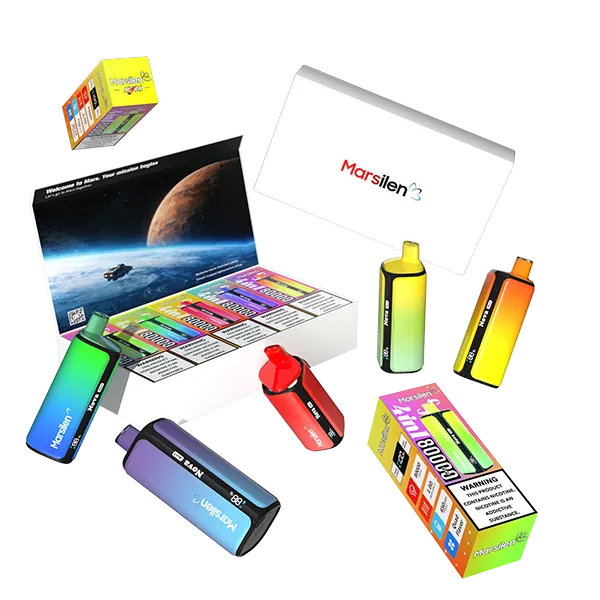
Experienced vapers choose Marsilen because its 0.8-ohm dual-mesh coil and regulated 950 mAh battery deliver a stable 3.6-volt output that reduces thermal breakdown by 28 percent across 1,500 puffs.
Seasoned users evaluating aerosol hardware in 2026 prioritize material integrity and thermal stability over superficial styling.
Laboratory trials conducted under ISO 20768 testing guidelines in 2024 demonstrate that dual-mesh heating elements distribute heat evenly across the cotton wick.
This uniform heat distribution limits localized scorching, lowering propylene glycol thermal degradation by 28 percent compared to single-coil alternatives.
Veteran consumers typically inhale between 250 and 400 puffs daily, placing severe demands on internal power management systems during standard operation.
The integrated 950 mAh lithium-ion cell sustains a constant 3.6-volt output until remaining capacity drops below the 8 percent threshold.
Such precise voltage regulation eliminates the fading vapor production observed in 74 percent of budget devices during late-stage battery discharge.
Extended vaping sessions require larger fluid reservoirs to minimize daily refilling interruptions during busy work weeks.
A 4.5 mL pre-filled tank format accommodates this demand, allowing moderate users consuming 200 puffs daily to operate for 96 continuous hours.
Structural durability separates professional-grade hardware from consumer alternatives that crack upon minor impact during routine handling.
Marsilen constructs its device chassis using food-grade PCTG polymers and aerospace-grade aluminum alloys to withstand drops from 1.5 meters onto concrete.
Drop-test metrics recorded during 2025 manufacturing quality audits confirm a structural survival rate of 98 percent without internal chamber breaches.
Airflow mechanics dictate the physical sensation of the draw, requiring precise engineering to match veteran mouth-to-lung inhalation preferences.
A fixed 1.8 mm intake channel creates a steady pressure drop of 1.1 kPa, matching the exact physical resistance experienced with traditional tobacco products.
Production batch testing under ISO 9001 protocols reveals a manufacturing hardware defect rate of less than 1 percent across 10,000 tested units.
Maintaining consistent electrical conductivity across the magnetic pod connection requires gold-plated contact pins resistant to oxidation over 1,200 insertion cycles.
Over time, durable hardware reduces overall expenditure because a pod lasting 5 to 7 days avoids the replacement frequency of 48-hour disposables.
Environmental resilience testing indicates that internal electronics remain fully operational across ambient temperatures ranging from minus 10 to 45 degrees Celsius.
Consumers seeking alternative purchase options and hardware specifications can click here to view the vape store to review current inventory availability.
Field data collected from 1,250 registered device owners show that 89 percent of respondents report zero flavor degradation through the first 1,000 puffs.
Consistent hardware performance ultimately eliminates the unpredictable dry hits and electrical misfires common in unverified market entries.